
Pediatric Occupational Therapy (OT) Services
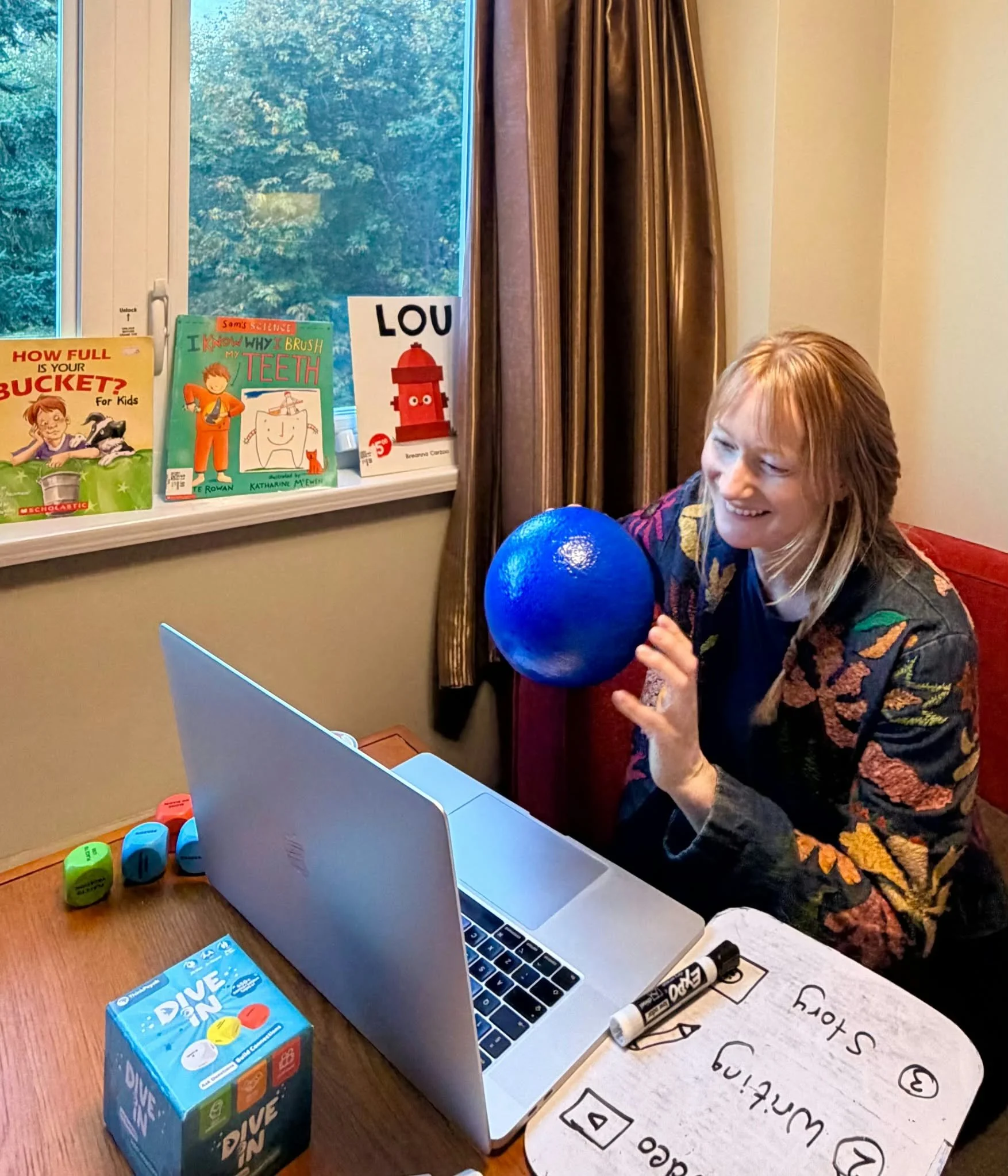
Occupational Therapy Services offered in the home, community, school setting and virtual sessions.
Based in Clearwater, British Columbia.
Providing services in Kamloops, North Thompson Area, South Cariboo.


What is Occupational Therapy?
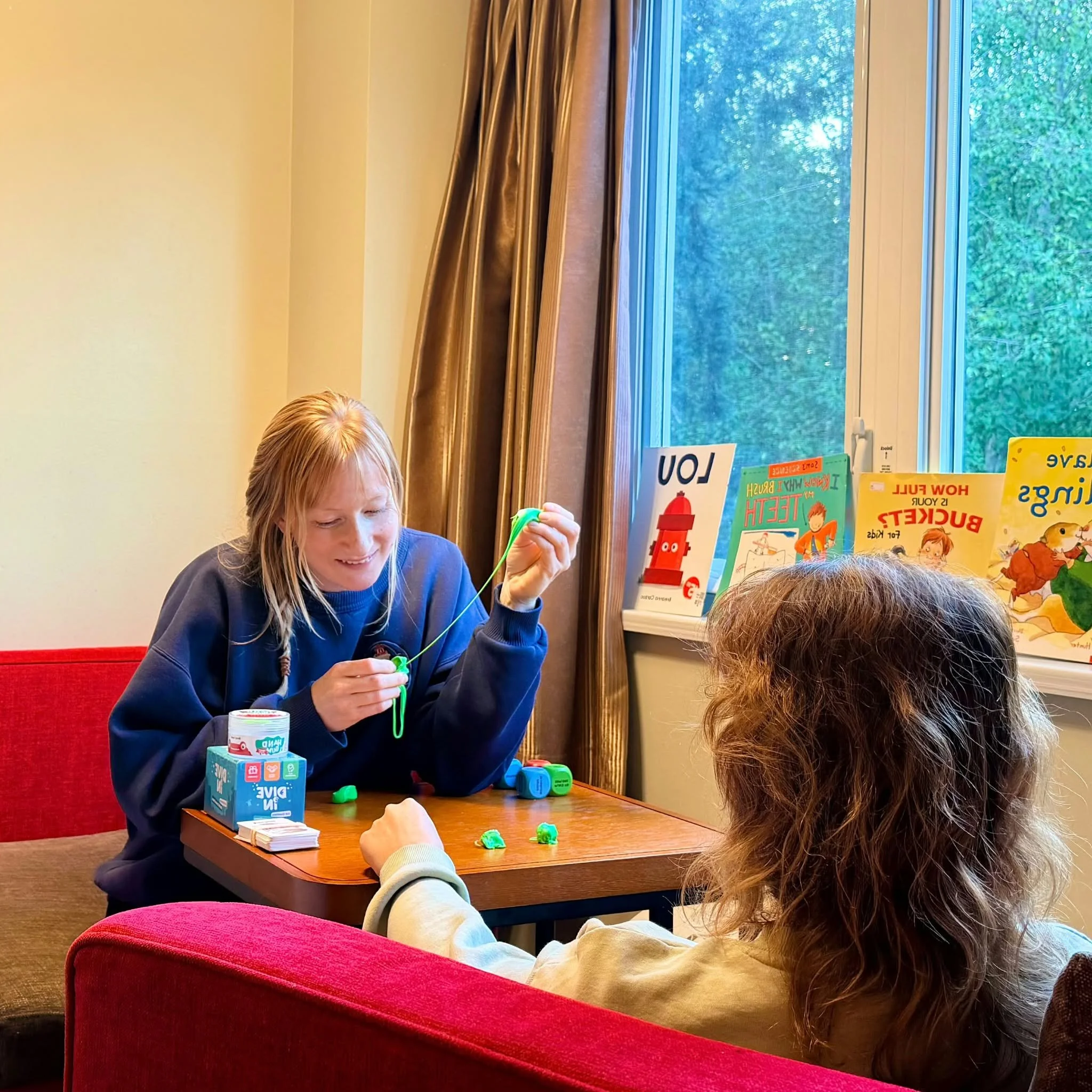
Occupational therapy (OT) helps people develop, strengthen, or adapt the skills/tools they need to participate in activities that are important in their daily lives, especially when they are experiencing difficulty doing so.
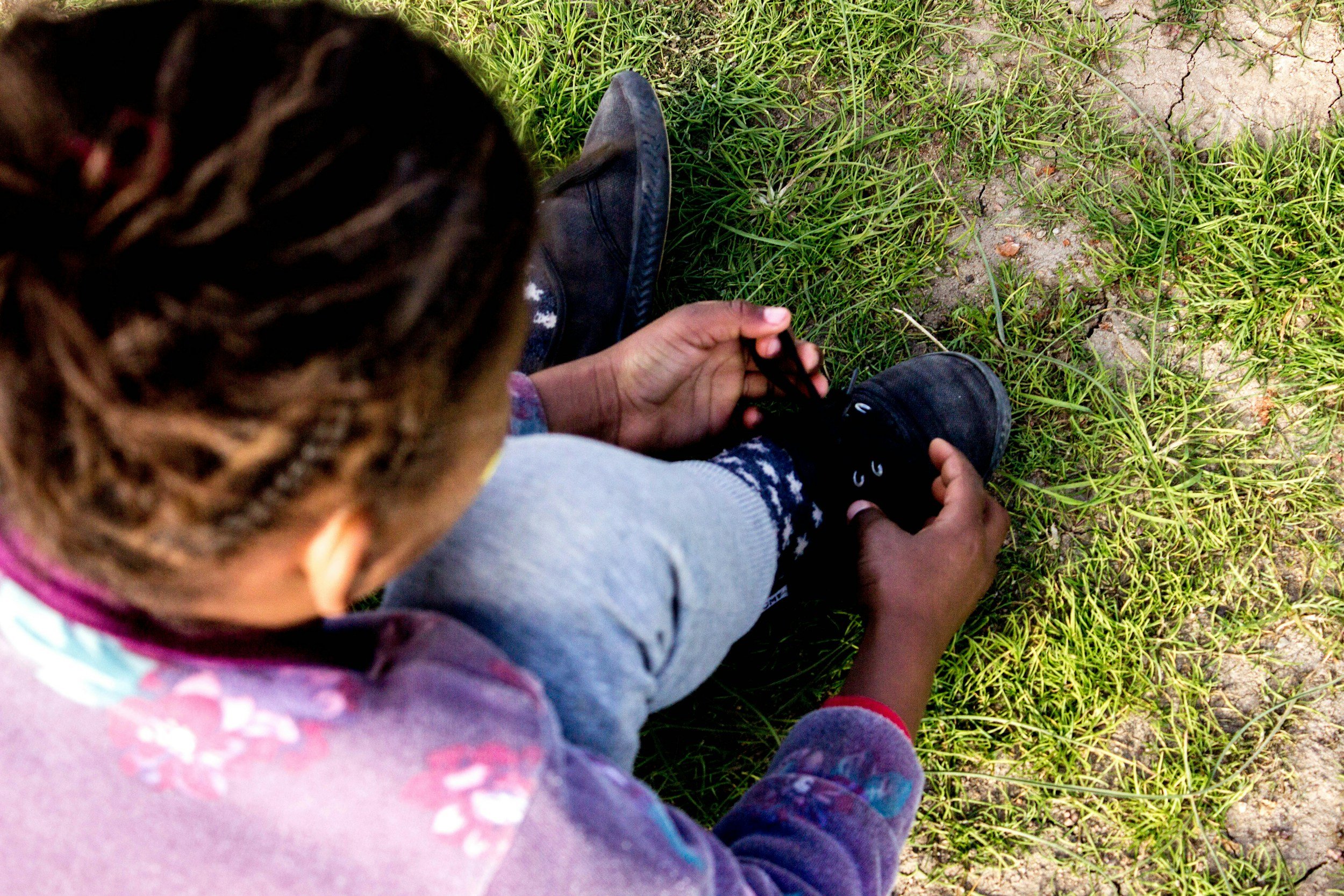
For children, these everyday activities or “occupations” include everything from; playing, making friends, communicating, getting dressed, eating, managing emotions, participating in school, joining family routines, brushing teeth, transitions, the list is endless!
An occupational therapist looks at the whole person. We consider their individual strengths and challenges, the activities they want or need to participate in, and the environments in which those activities take place.
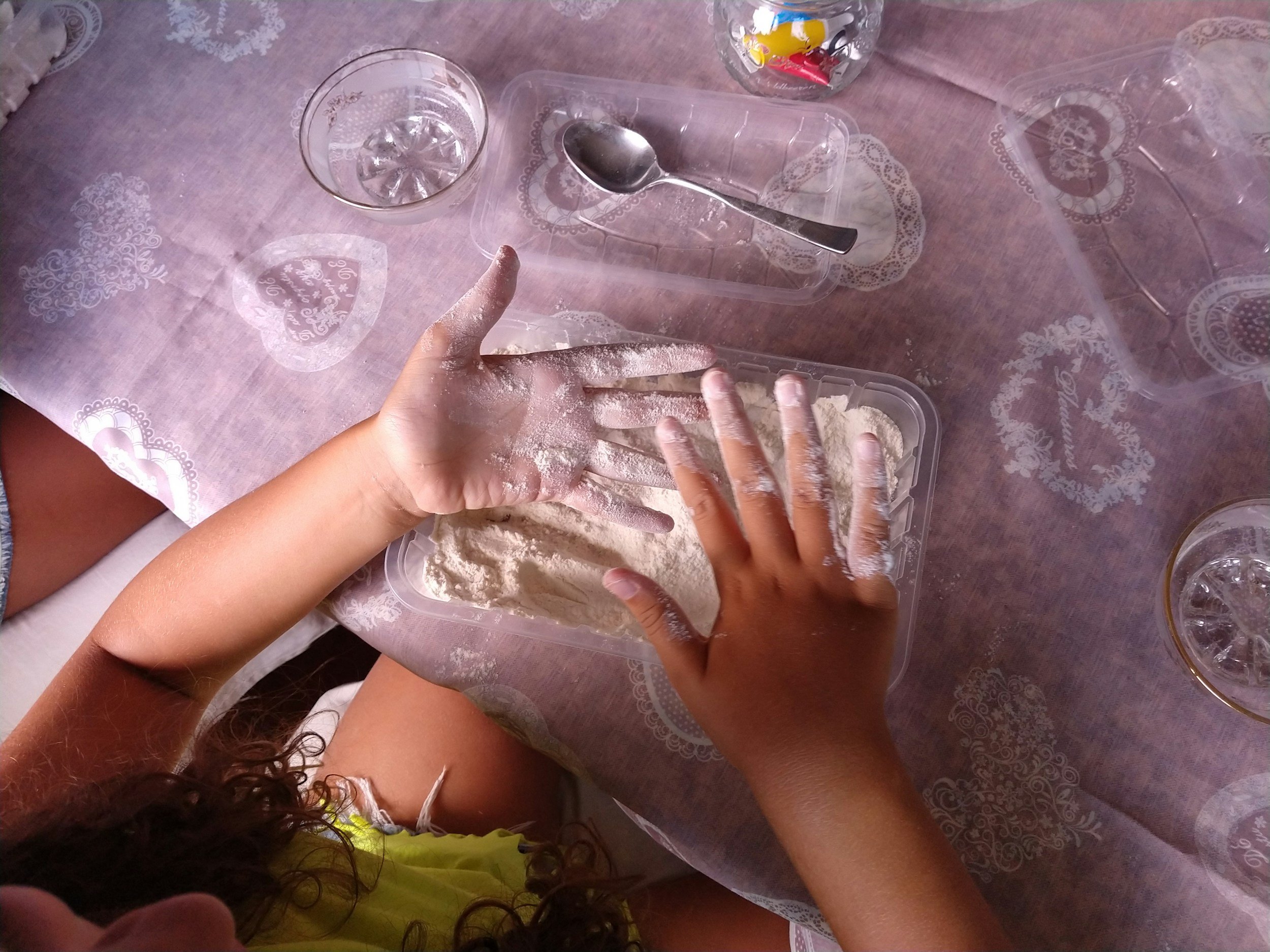
At Purple Paintbrush, therapy is tailored to the individual. Depending on a person’s needs and goals, sessions may involve movement, play, sensory experiences, skill-building activities, emotional regulation strategies, communication and social development, or practical everyday tasks.

What We Focus On
Our occupational therapy (OT) services support development and participation across several key areas:
-
We support children and adults in understanding and responding to sensory information from their bodies and surroundings. This can include sensitivities or differences relating to sound, touch, movement, sights, smells, tastes, or body awareness. Our goal is to help each person discover strategies that support regulation, comfort, attention, and participation in everyday activities.
-
Recognizing emotions, communicating needs, navigating social situations, coping with frustration, and developing self-regulation are important skills for everyday life. We help individuals build greater awareness of themselves and others while developing practical strategies for managing emotions and participating in relationships and social environments.
-
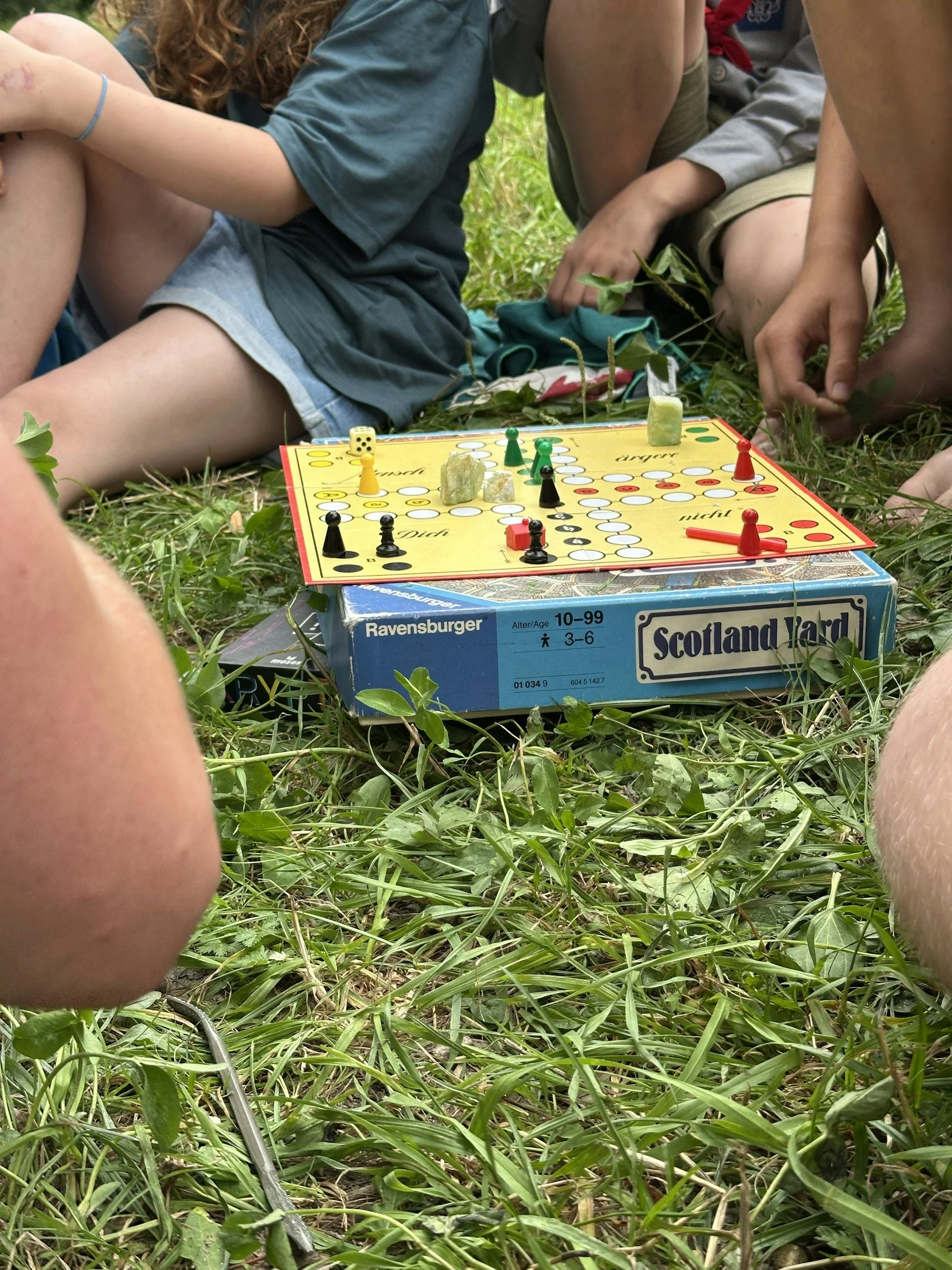
Play is an important part of childhood development. Through play, children explore their world, express themselves, practise communication, develop imagination, learn to problem-solve, and connect with others. We use engaging, developmentally appropriate activities to support play, interaction, communication, and participation.
-
Fine motor skills involve the small movements of the hands and fingers that are needed for many everyday activities. We can support skills involved in handwriting, drawing, using scissors, manipulating small objects, using utensils, managing buttons and zippers, and completing other self-care and classroom tasks.
Gross motor skills involve larger body movements and contribute to a child’s ability to participate in play and everyday activities. Therapy may support areas such as balance, coordination, body awareness, strength, motor planning, and confidence with movement.
-
Executive functioning skills help us plan, organize, remember information, manage our time, shift between activities, solve problems, control impulses, and get started on and complete tasks. We support in developing strategies that make everyday routines, schoolwork, responsibilities, and transitions more manageable and successful.
-
Developing independence in everyday activities is an important part of occupational therapy. We support skills such as dressing, grooming, eating, toileting routines, preparing simple meals, organizing belongings, completing household tasks, and managing daily routines. For older children, teens, and adults, therapy can also focus on building the practical skills needed for greater independence at home, school, work, and in the community.
-
Occupational therapy assessments help us understand a child’s strengths, identify areas where they may need additional support, and explore how these difficulties may be affecting their participation in everyday activities at home, school and in the community.
Depending on your child’s individual needs, we may use a combination of observation, discussion with parents or caregivers, and standardised assessments. Some of the assessments we offer include:
Beery VMI – Developmental Test of Visual-Motor Integration
The Beery VMI looks at how well a child can coordinate what they see with their hand movements. These visual-motor integration skills are important for everyday activities such as handwriting, copying from the board, drawing, completing puzzles and other classroom tasks.
The assessment can help identify whether a child is experiencing difficulties with visual-motor integration and may also include additional assessment of visual perception and motor coordination.
Movement ABC-2 – Movement Assessment Battery for Children, Second Edition
The Movement ABC-2 is used to assess a child or young person’s motor skills and identify possible movement difficulties. It looks at areas including manual dexterity, aiming and catching, and balance.
This assessment can provide a clearer picture of how a child’s motor abilities compare with those expected for their age and can help identify areas that may benefit from further support or intervention.
Sensory Profile 2
The Sensory Profile 2 helps us understand how a child processes and responds to sensory information in everyday life. This can include responses to sounds, touch, movement, visual information and other sensory experiences.
Questionnaires are completed by a parent, caregiver and/or teacher, depending on the assessment being used. The results help identify patterns in the child’s sensory processing and how these may be influencing their participation, behaviour and ability to manage everyday routines.
What Happens After an Assessment?
Assessment results are considered alongside information from the child, family and, where appropriate, school or other professionals. This helps us build a fuller picture of the child rather than focusing on an assessment score alone.
We can then identify strengths and areas of difficulty and provide recommendations and practical strategies to support participation and independence in everyday activities. Where appropriate, the findings can also help inform individual occupational therapy goals and intervention.
-
Supporting your child doesn’t stop at the end of an occupational therapy session. We believe that helping the people who spend the most time with your child understand their individual needs is an important part of creating meaningful and lasting change.
We provide education, guidance and practical strategies to parents, caregivers, family members and, where appropriate, the professionals who work closely with your child. This may include teachers, educational assistants, childcare providers or other members of your child’s support team.
Our aim is to help those around your child better understand their strengths and challenges, why certain activities or environments may be more difficult, and what practical strategies can be used to support participation, independence and confidence in everyday life.
Support can be flexible and tailored to your family’s needs. This might include a Zoom consultation, an in-person meeting, collaboration with your child’s school or care team, IEP meetings, or regular monthly check-ins to discuss progress/ challenges and adapt strategies as your child’s needs change.
By working collaboratively with the important people in your child’s life, therapeutic strategies can be carried over into everyday routines and environments — helping your child use their developing skills where they matter most.
Process to Start Services
Step 1: Email at ppb.therapy@gmail.com
We will start by learning a little more about your child, your family, and the support you’re looking for. The intake process helps us understand your child’s needs, your priorities, and what you hope to achieve through occupational therapy.
To get started, please email us and we will send you a Waitlist Intake Form.
Once we have received your form, we will be in touch to discuss the next steps and answer any questions you may have.
If you are unsure on whether OT is the right service for your child or you need some questions answered about the services, we will be happy to answer any of your questions- we offer a 15minute free of charge phone call to chat about any queries you may have.
Step 2: Appointments & Funding Paperwork
If you decide you’d like to move forward with occupational therapy, we will work with you to find an appointment time that suits your family. Before your first appointment, we will also send you the necessary consent, intake and funding forms to complete. These must be completed before we start services.
Funding & Payment
Purple Paintbrush Therapy is a privately funded pediatric occupational therapy service and is registered with the Registry of Autism Service Providers (RASP).
Where eligible, bill approved funding sources can include:
Autism Funding Unit (AFU)- Changes happening in March 2027
At Home Program- Request for Extended Therapies.
Online schooling programs
Charity organizations (CKNW, Variety, Cops for Kids, etc.)
Jordan’s Principle
We also accept private payment.
Step 3: Starting Services- First an OT Consultation Call & Then Sessions
You will start with having a consultation call for you to share in detail about your child’s needs and what you would like to get out of OT services.
After the call, we will set up sessions. Normally the first few sessions the OT will get to know your child, understand their strengths and challenges through an OT lenses, gather more information to provide recommendations and most importantly build rapport with your child. SMART goals and a therapy plan will be developed. We can also discuss appropriate assessment and reports if needed.
Step 4: Continuing Therapy Sessions
Where Are Sessions Offered?
At this time, occupational therapy sessions are offered in your home, within the community, or virtually. We come to you, allowing therapy to take place in familiar, everyday environments where your child’s skills and routines naturally occur.
Therapy That Fits Your Family
We understand that family life can be busy and that your needs may change over time. Therapy should support your family, not become another thing on your plate.
If you need to pause sessions, that’s okay. If you feel your child would benefit from more frequent sessions, we can discuss this too. We will work collaboratively with you to determine a schedule that reflects your child’s goals, your family’s priorities, and what feels manageable.
Our approach is flexible and family-centered, with the aim of making occupational therapy a helpful and realistic part of your child’s everyday life.